Bio

Born Simonstown, Cape, 1929.

Training 1959: Michaelis School of Fine Art, University of Cape Town. 1959-1963: Rijks Academie van Beeldende Kunsten, Amsterdam, The Netherlands. 1976: Atelier Nord, Oslo, Norway.

Selected exhibitions 1951 onwards : Group exhibitions South Africa, Germany, Brazil, Austria, Italy, The Netherlands, Belgium, USA, Argentina, Norway, Botswana, Japan, Switzerland and the United Kingdom. 1957: First solo exhibition, Oranje House, Cape Town. 1982: Exhibition of South African Art, National Gallery, Gaborone, Botswana. 1991: The Hand is the Tool of the Soul: Retrospective Exhibition, Iziko South African National Gallery / Natale Labia Museum, Cape Town.

Collections Fisk University, Nashville, Tennesse, USA; Kunsthalle der Stadt, Bielefeld, Germany; Library of Congress, Washington DCUSA; National Gallery, Gaborone, Botswana; Stichting Afrika Museum, Bergen Dal, The Netherlands; Iziko South African National Gallery, Cape Town.

Awards 1975: Honorary Fellow in Writing, University of Iowa, USA. 1982: Diploma of Merit in Art, Academia Italia. 1983: Honorary Member of the Museum of African American Art, Los Angeles, USA. 1982: Honorary Doctor of Literature, World Academy of Arts and Culture, Taipei, Taiwan.

Credits

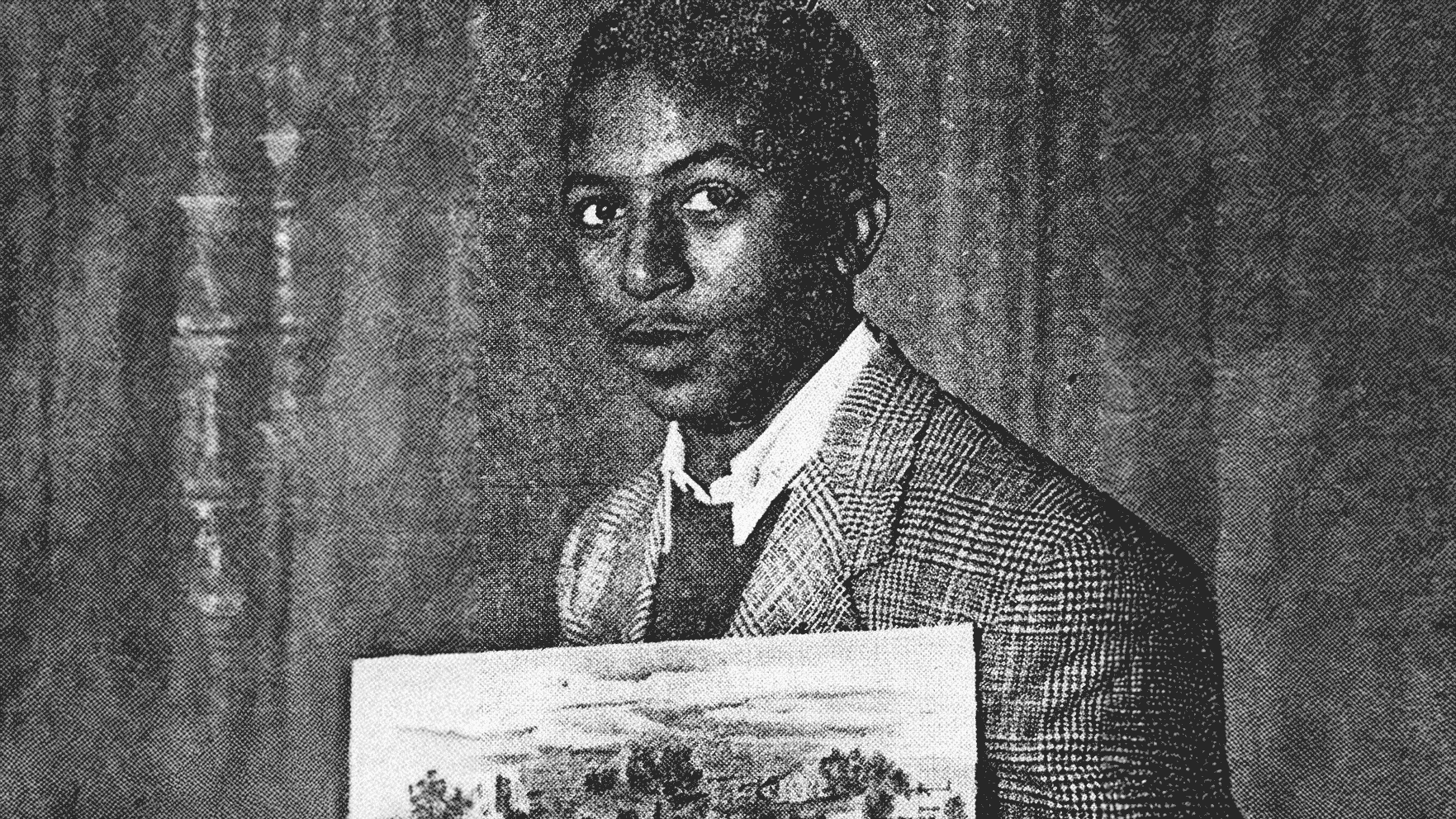
Peter Clarke, the Simonstown dockyard worker, with one of his sketches (right). Source: “Dockyard Worker plans career in Art”. The Cape Times, 24 June 1952. Photographer unknown. Peter Clarke outside his Ocean View home (left). Photograph by Bruce Campbell Smith.

Artists

Peter Clarke

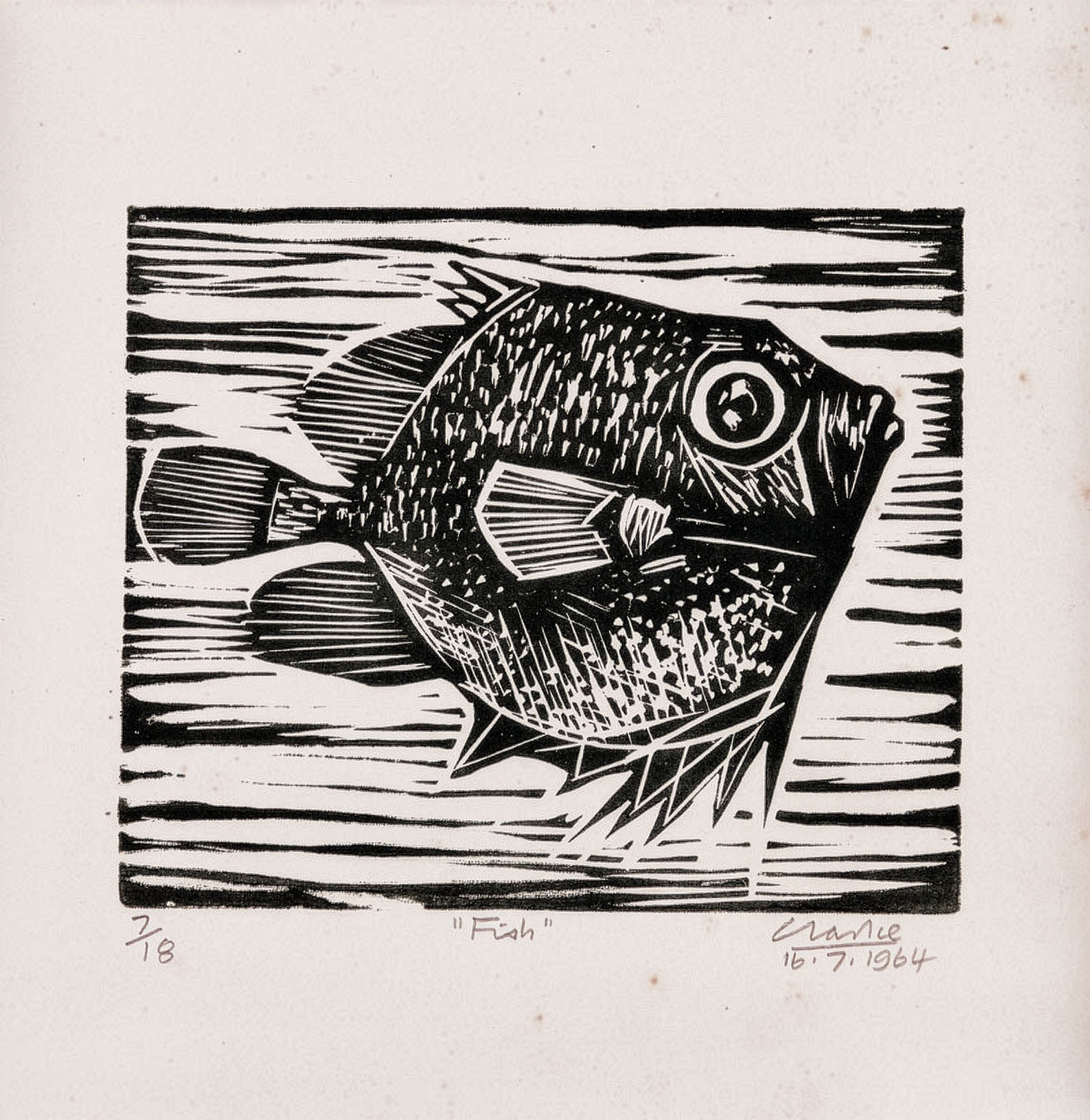
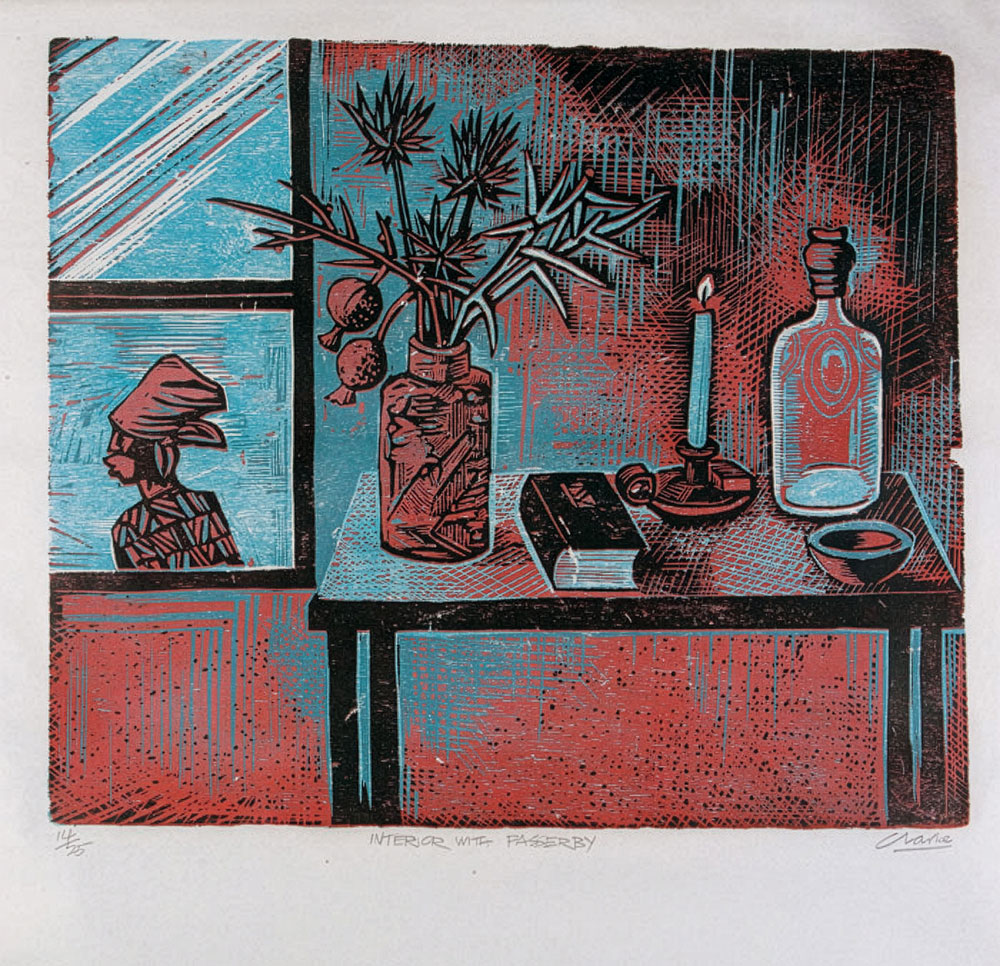
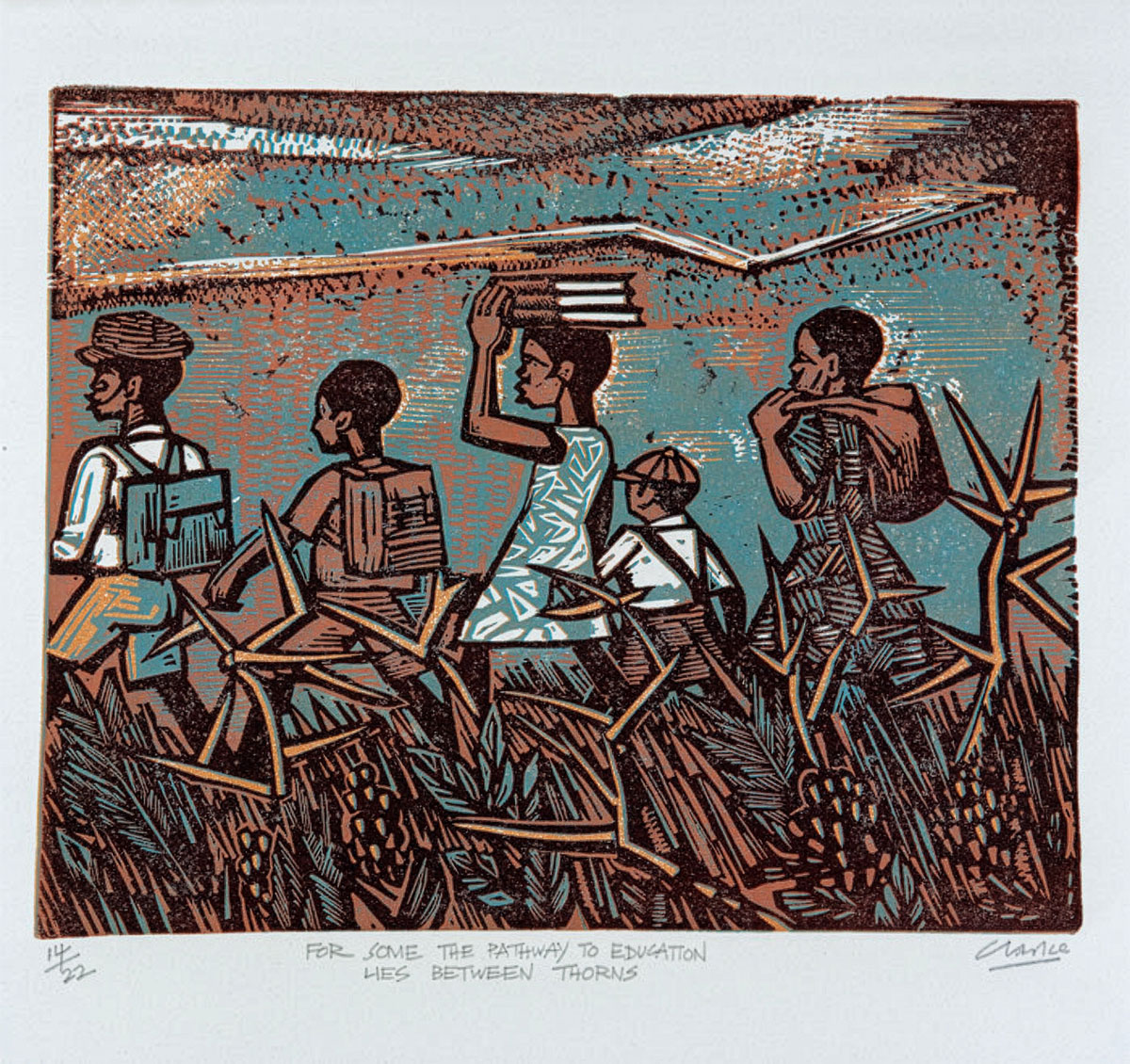
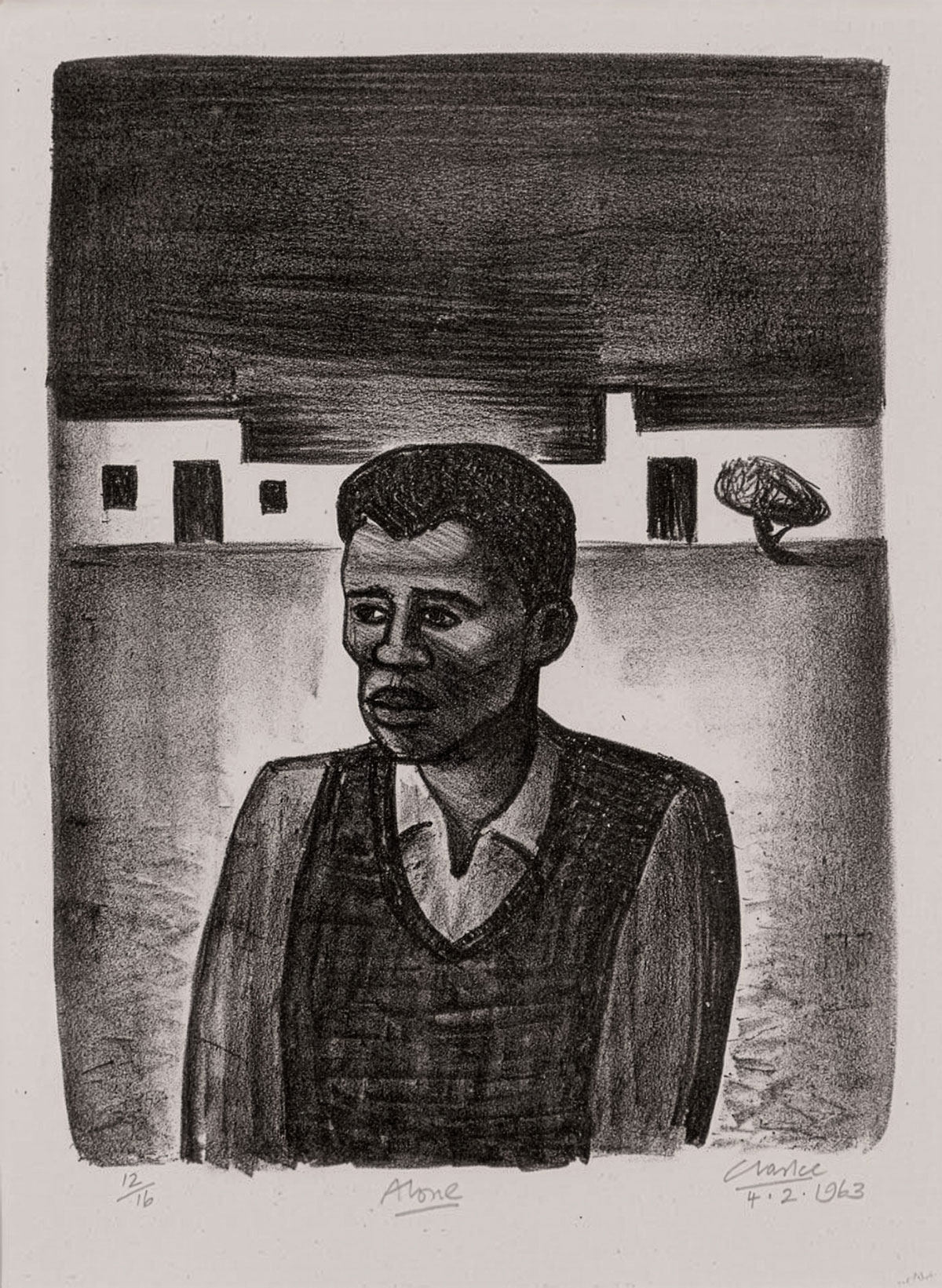
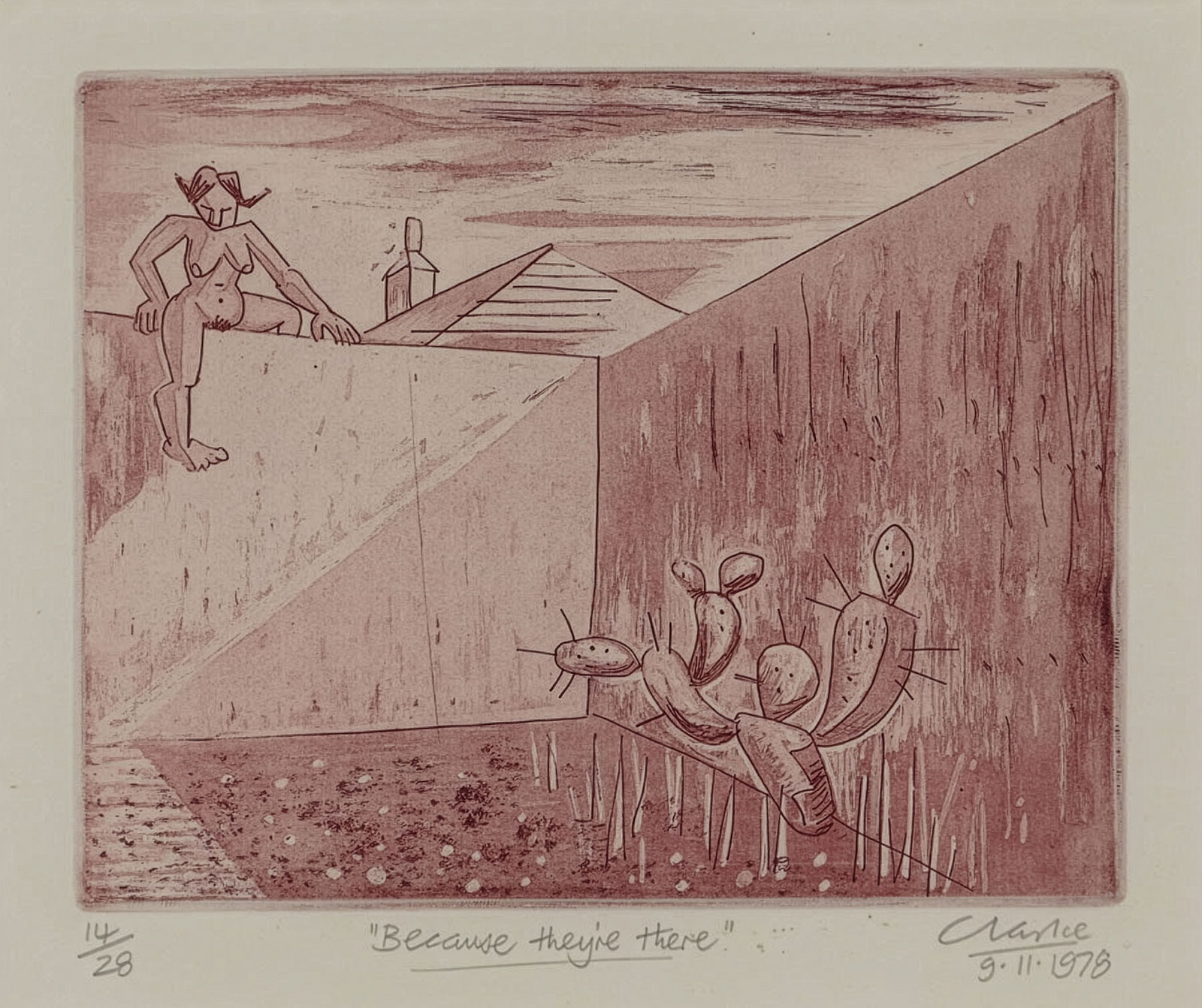
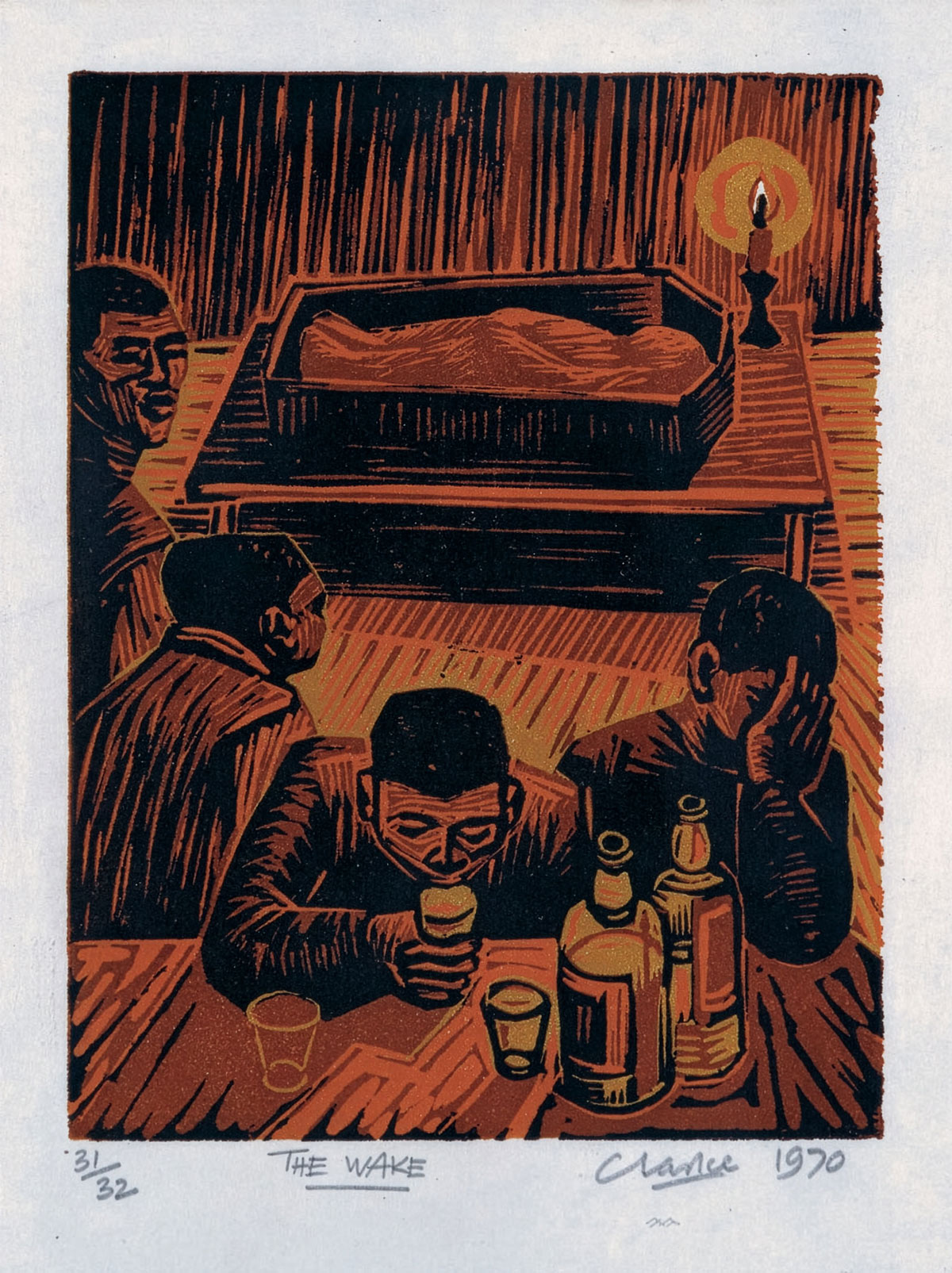
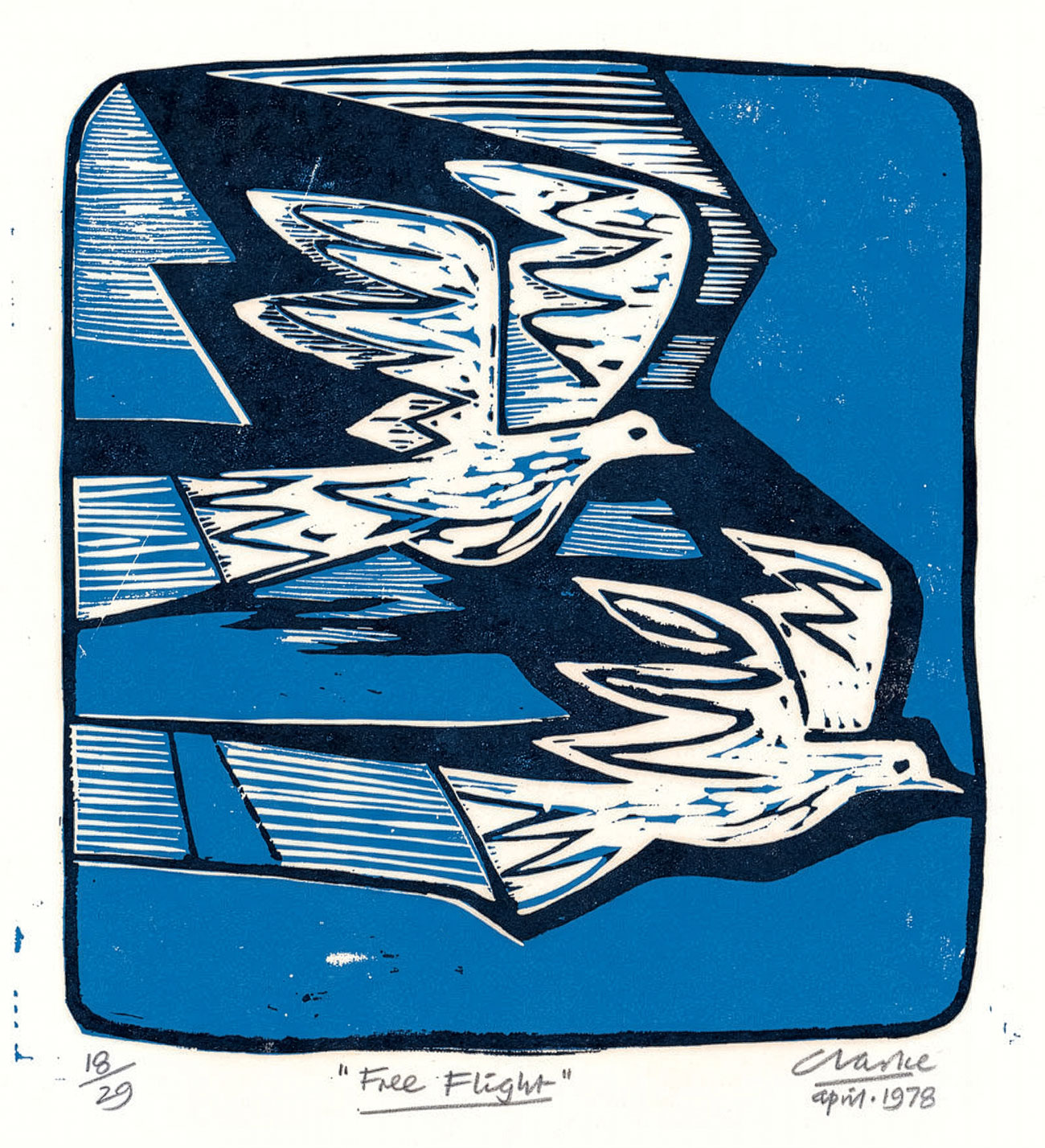
Peter Clarke is an extremely versatile artist, a book illustrator, a poet, a gifted writer of short stories, and a book-binder. As a printmaker he has been influenced by the prints of the German Expressionists and by Japanese woodcuts. He also has a strong interest in 20th-century Mexican artists such as Diego Rivera (1886–1957) and David Siqueiros (1896–1974). Their subject matter, with its strong social and political content and their depiction of ordinary people in a bold, naturalistic style, influenced his approach. Peter Clarke was a dock worker in the Simonstown dockyards before he became a full-time artist in 1956. For many years he has been intimately involved in the Cape Town arts community, organising many exhibitions and cultural events. His strong sense of social responsibility is evidenced by the fact that he has held art classes for local children for many years as well as acting as a mentor to aspiring artists. He has also been involved as an active supporter of a number of cultural organisations, particularly non-governmental organisations during the apartheid years.

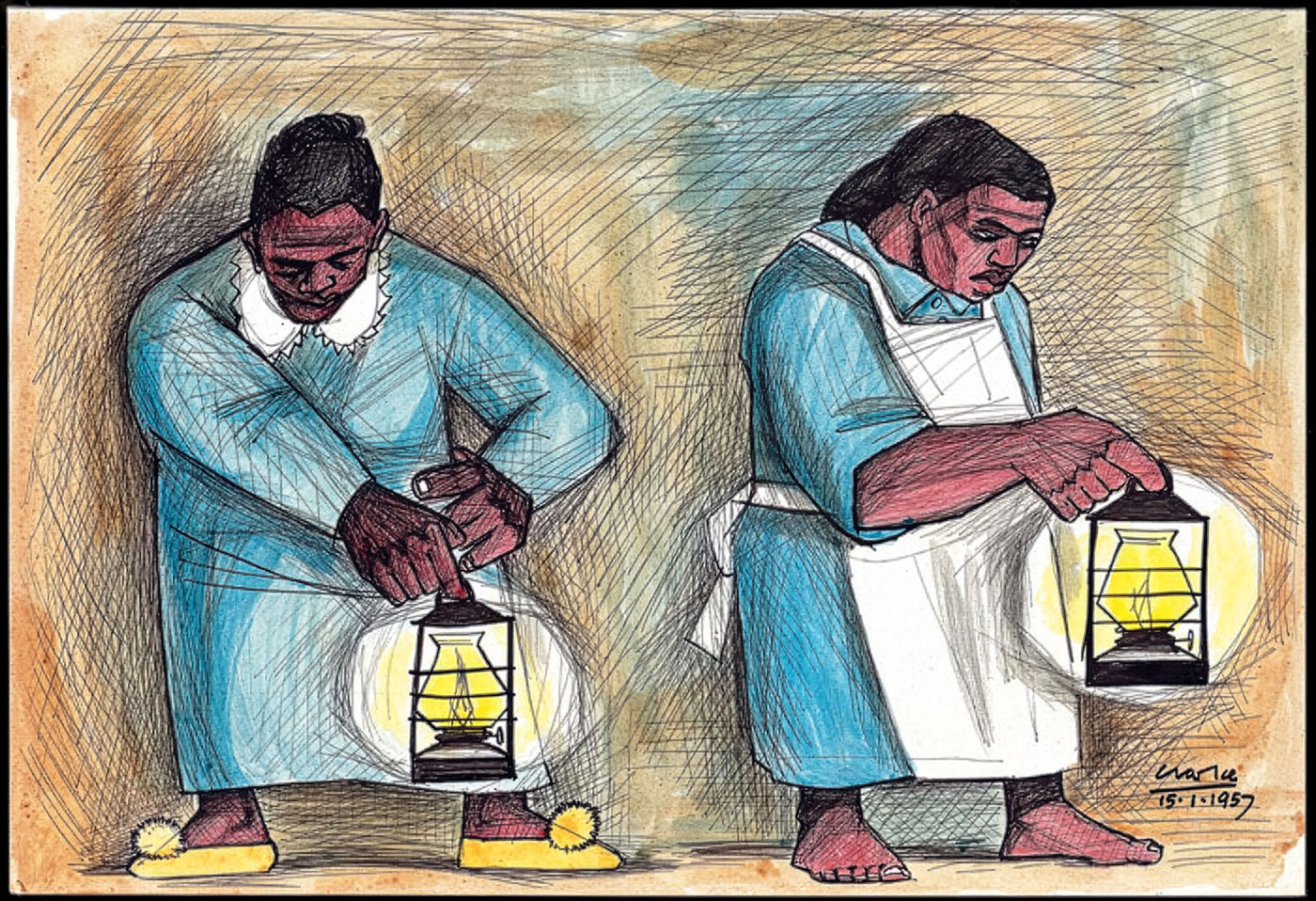
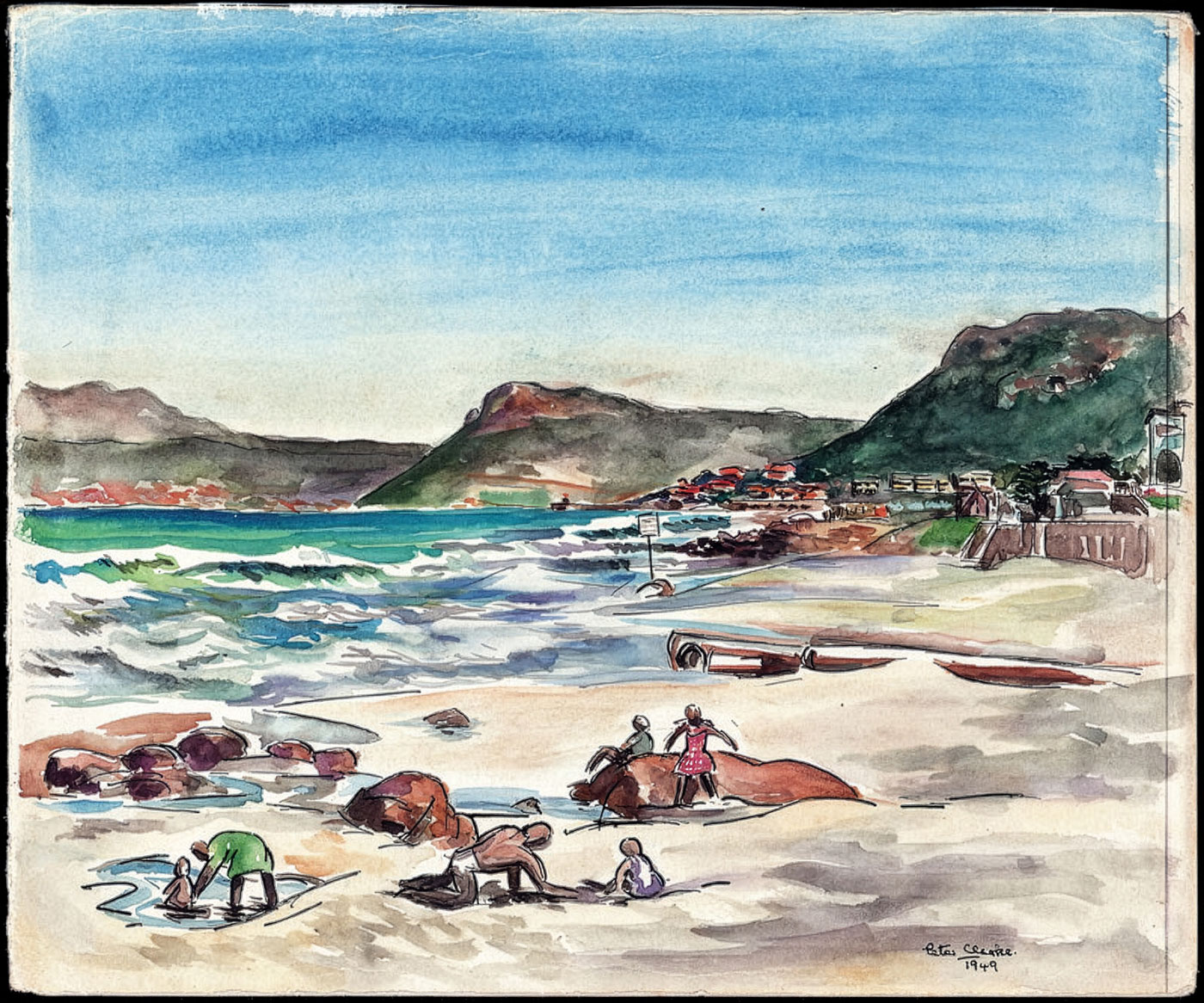
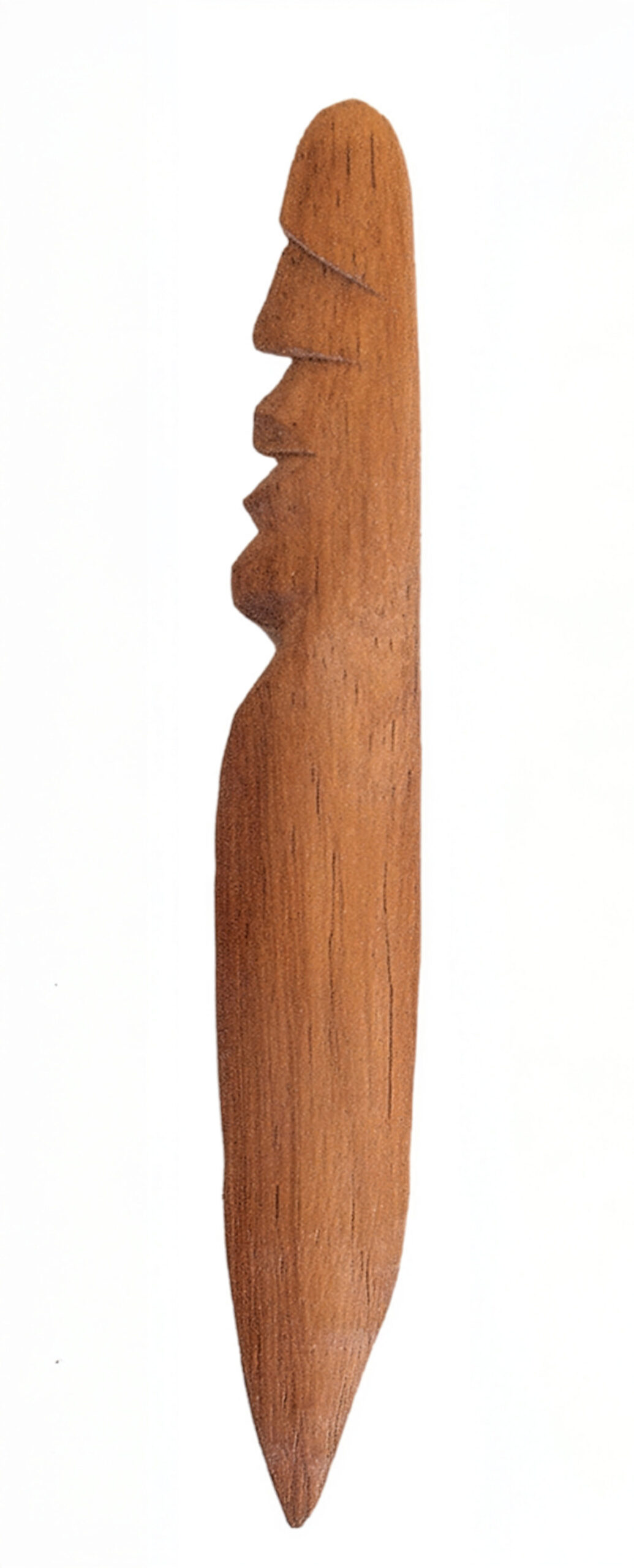
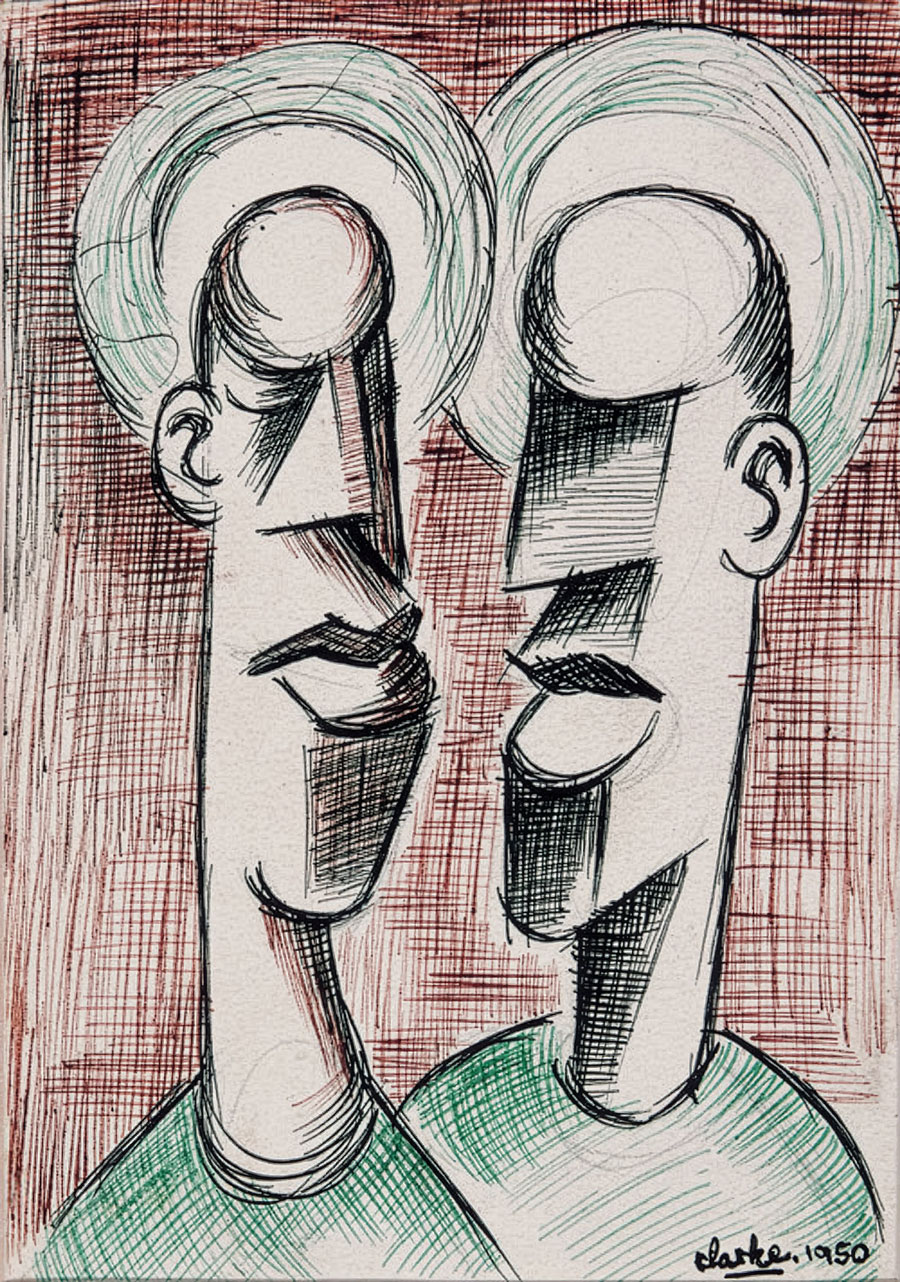
The earliest work in the Campbell Smith Collection by Peter Clarke is a watercolour dated 1949 (plate 93) which is a gentle and lyrical evocation of a summer’s day at the beach along the False Bay coastline. The colour ink drawing of Two heads (plate 91), of just a year later, represents a significant development in his work. It has a sculptural solidity – Clarke’s knowledge of both Mexican and African art is readily apparent – and this was to become a feature of his figurative style in his subsequent work. In its sculptural stylisation it significantly pre-dates Gerard Sekoto’s ‘African’ heads of the 1960s and, more pertinently, Dumile Feni’s stylised ink drawings of the 1970s. When Campbell Smith first purchased the work he showed it to Clarke to see if the artist remembered it. Clarke smiled, disappeared upstairs and returned with a paper knife made from wood (plate 92). He explained that the figures in the double portrait were derived from whittling pieces of wood while employed as a dock worker in Simonstown.

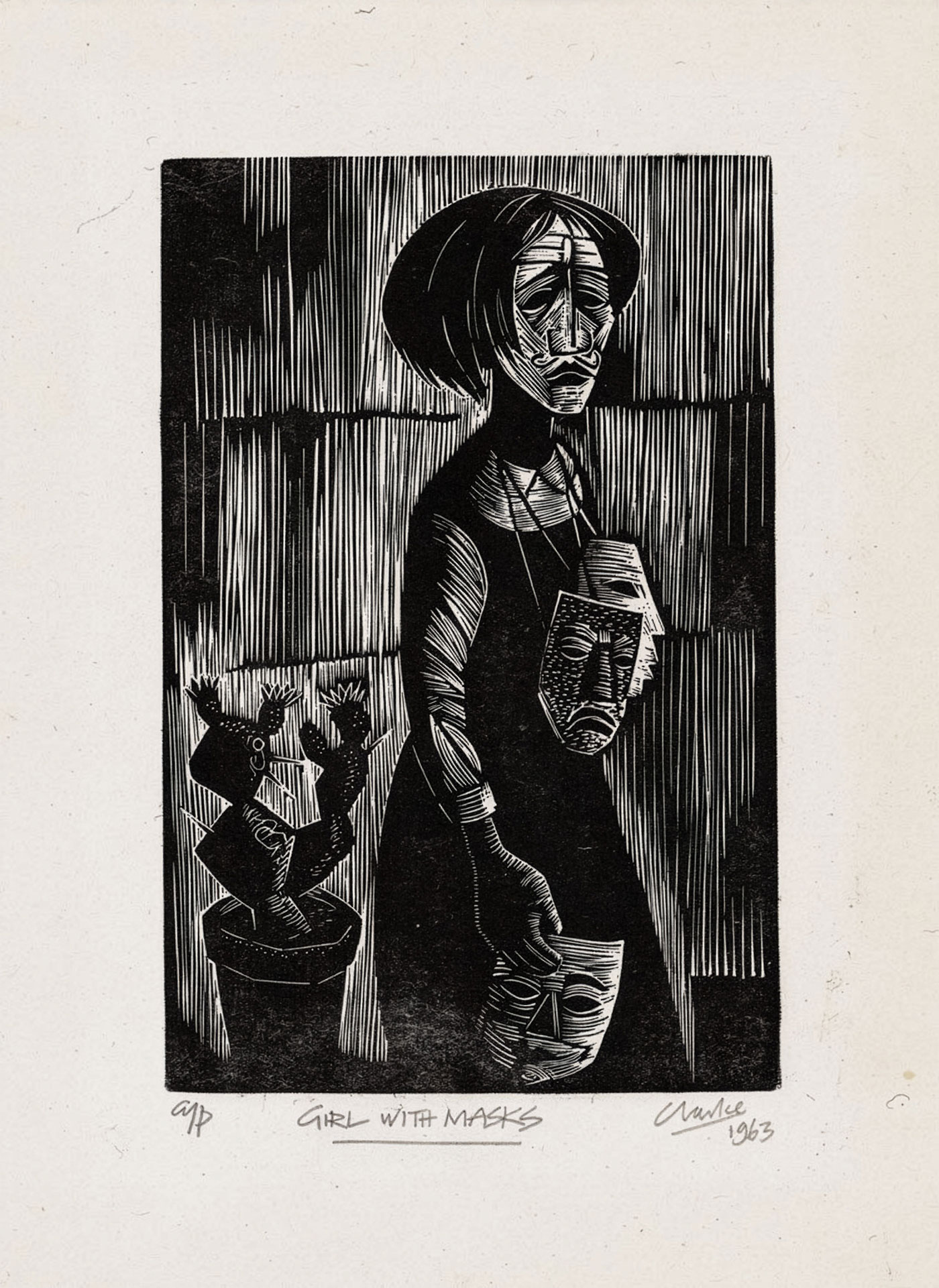
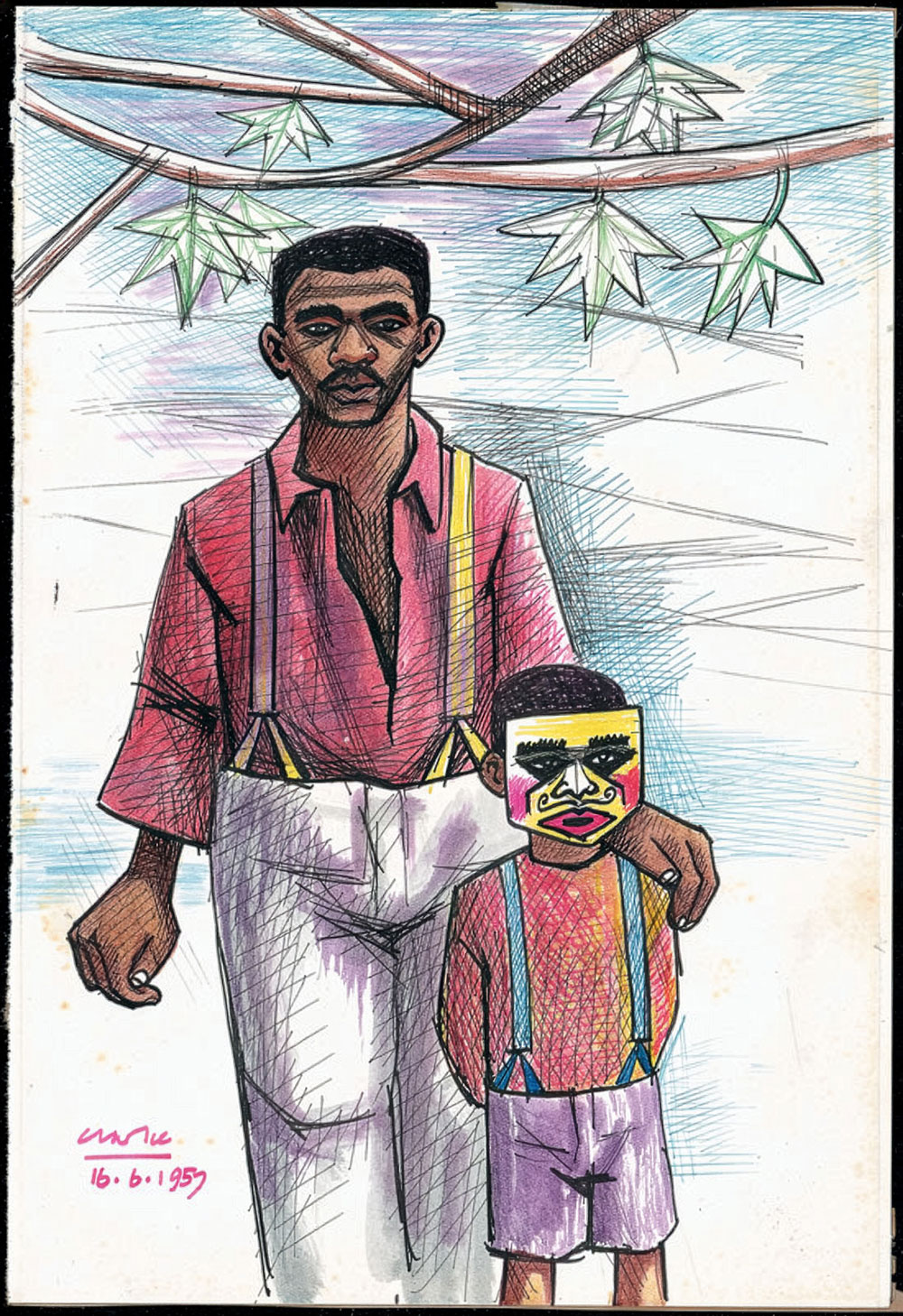
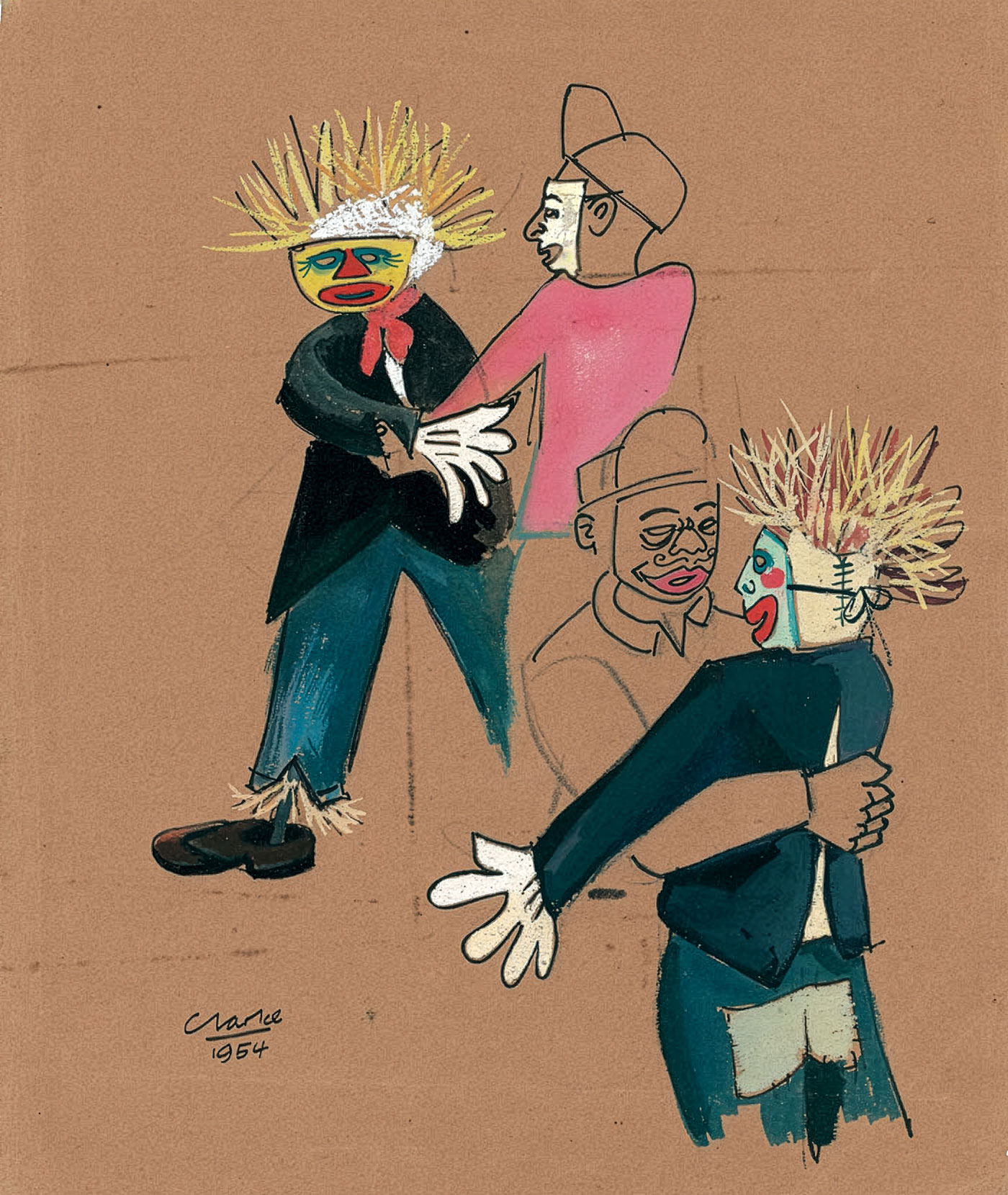
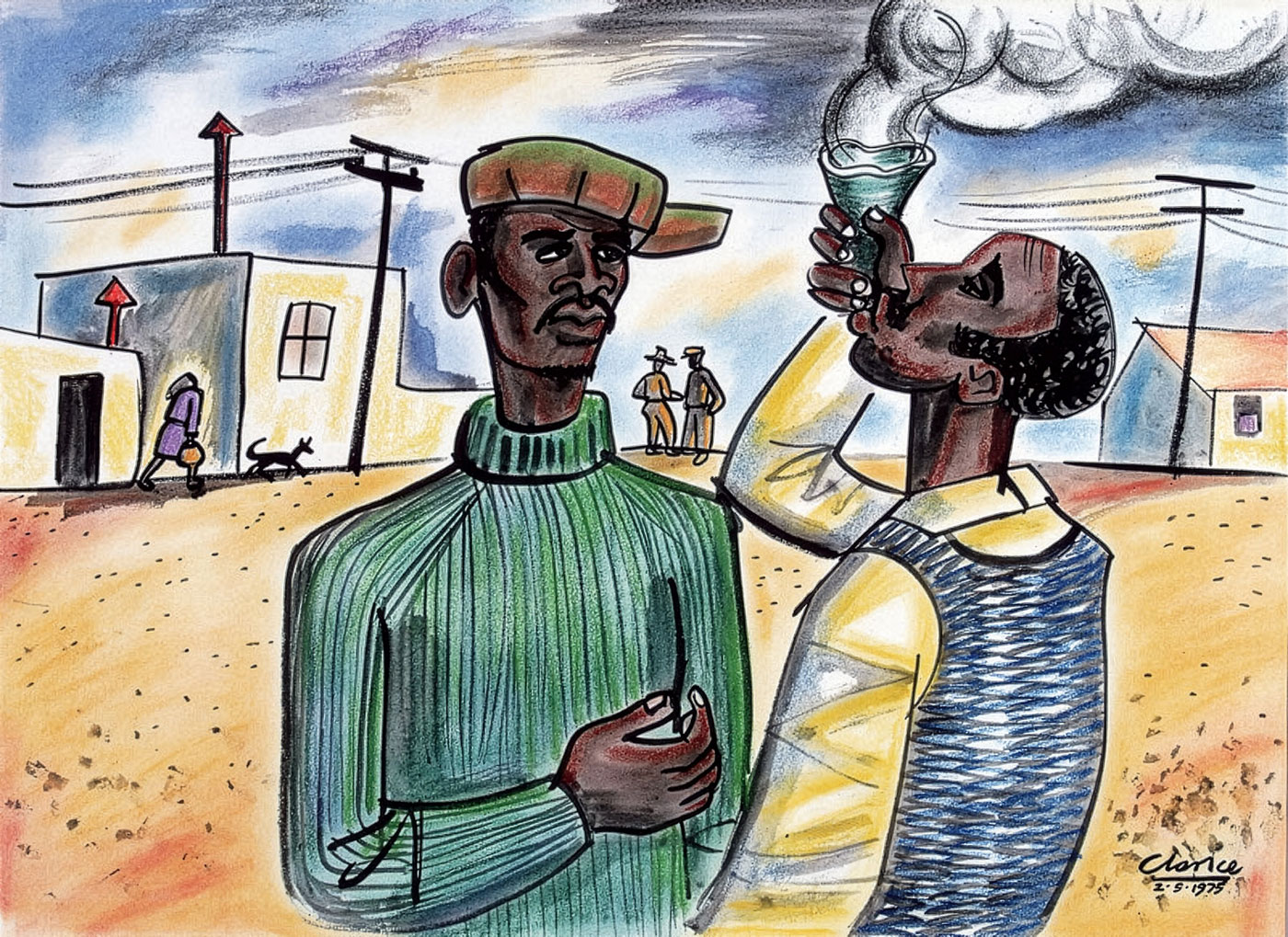
His drawing Father and son (1957) (plate 81), illustrates the empathy and humanity which infuse his work. His fascination with masks stems from childhood memories of the festivities surrounding Guy Fawke’s Day – November 5th – in Cape Town. The masks worn by children, known as mombakkies, fascinated him, particularly in their variation in colour and design and the way that the masks disguised the individual. This strange, unknown persona is captured in the figure of the child in Father and Son. In the period from about 1954 to 1963 Peter Clarke depicted people wearing masks. It was in 1963 that he completed the engraving Girl with masks (plate 82). The works in the collection also illustrate Clarke’s intimate knowledge of the customs of people resident in the Cape Peninsula and all have a strong sense of place, rooted in the Cape and its immediate environs. In fact, Clarke’s work can also be seen as an invaluable social document celebrating both the joyous and the darker sides of life. An example of the latter is The chilum smokers (plate 79) (1975), which exposes the raw underbelly of life and drug taking on the Cape Flats in a manner matched by few other artists.

Joe Dolby

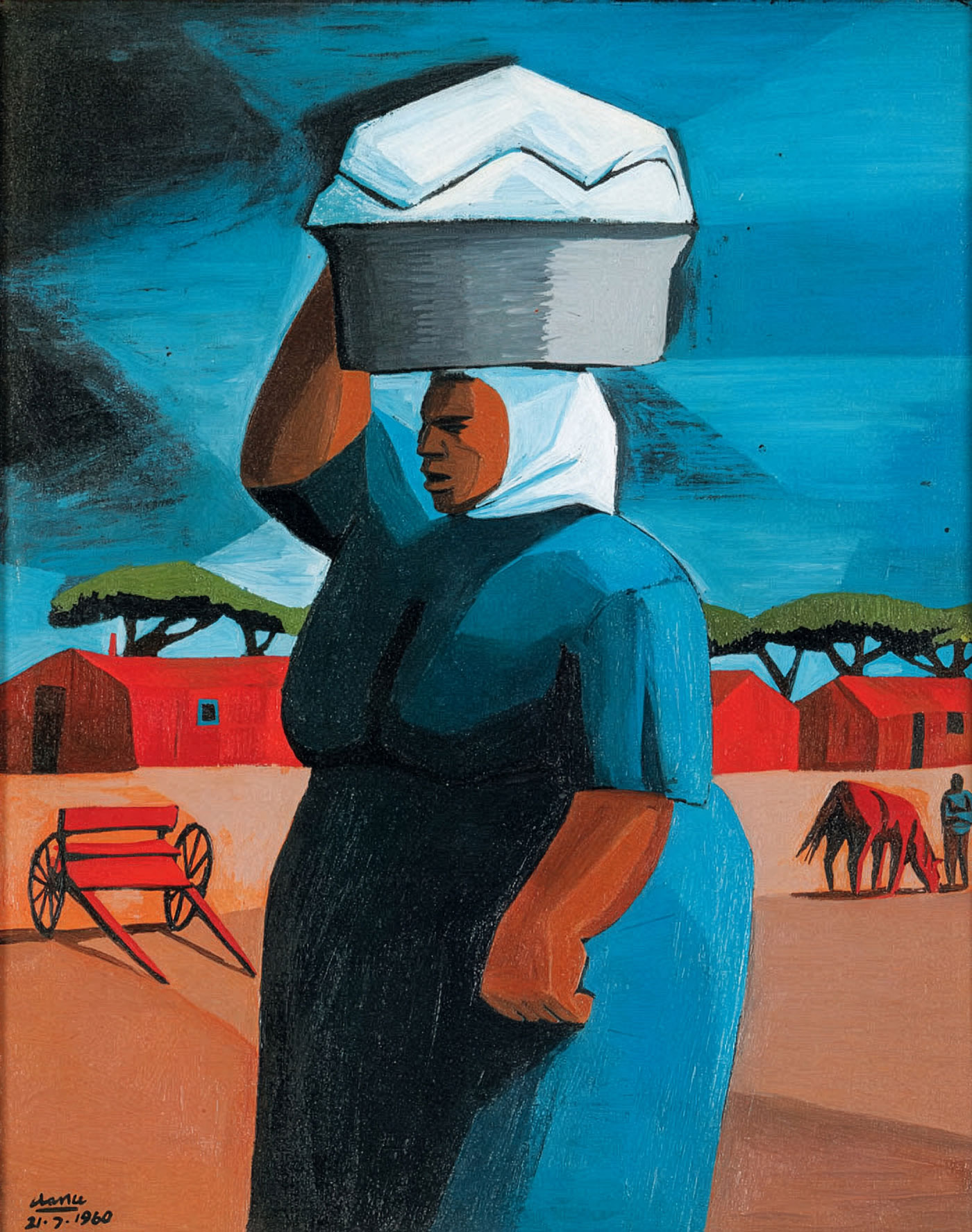
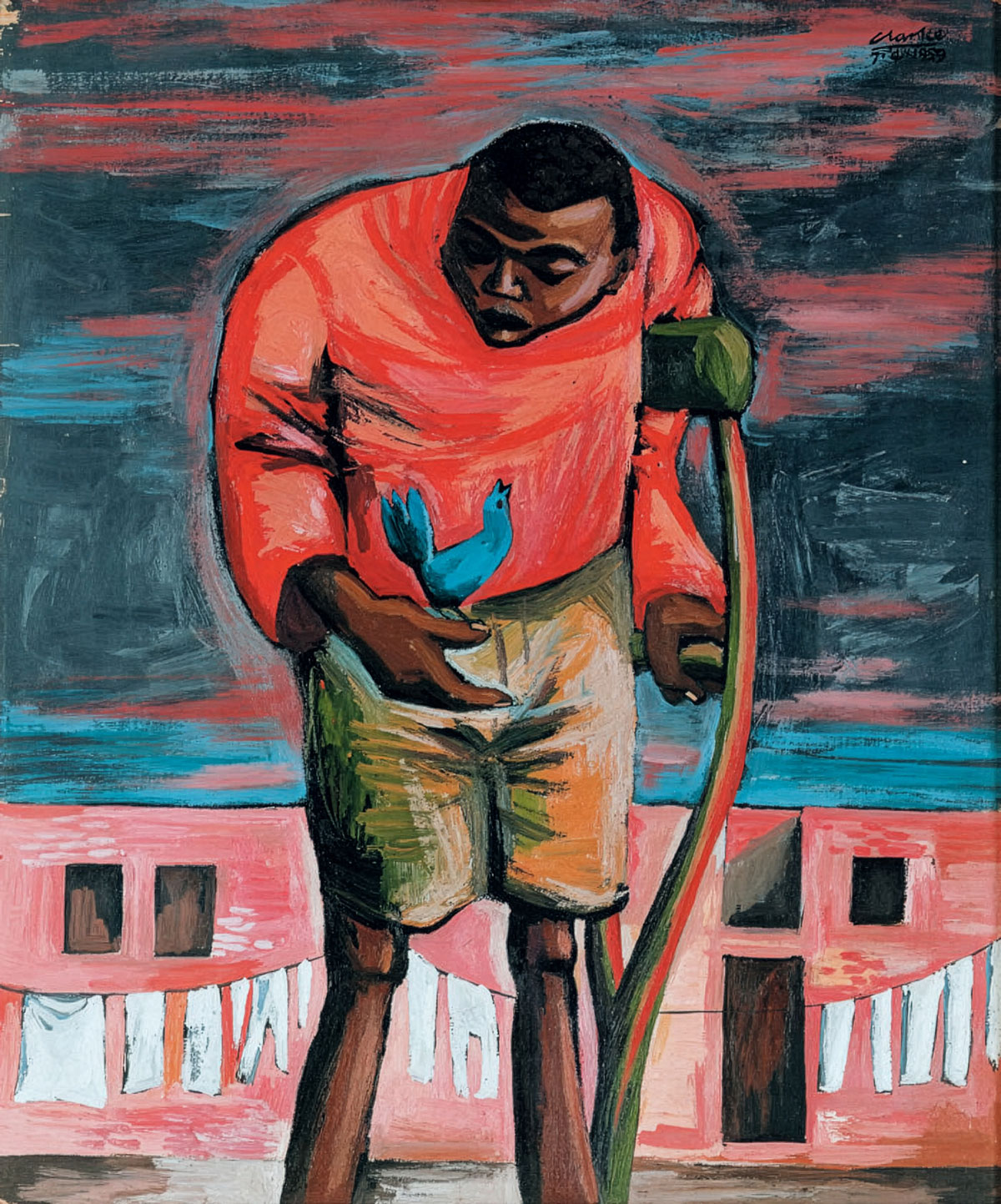
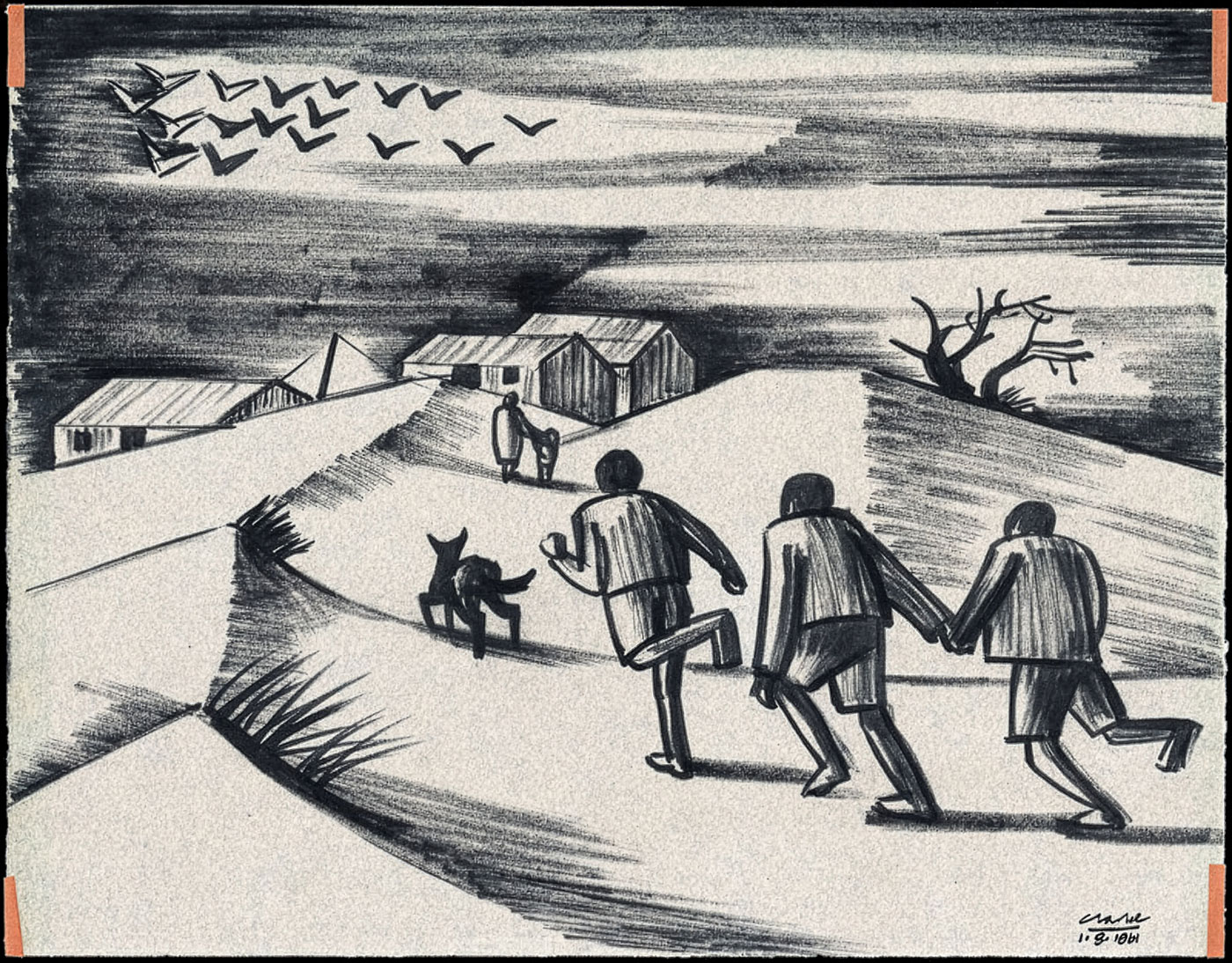
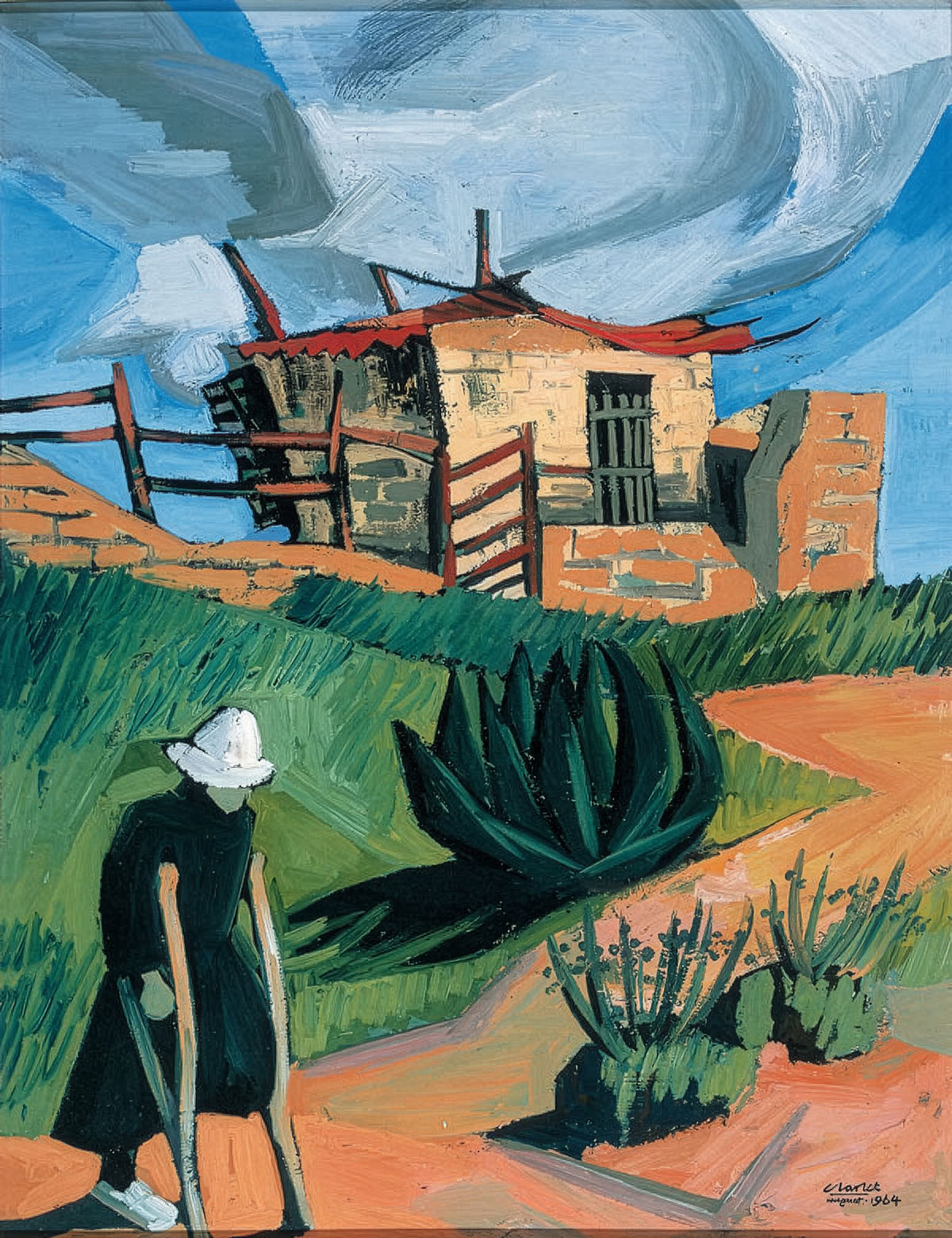
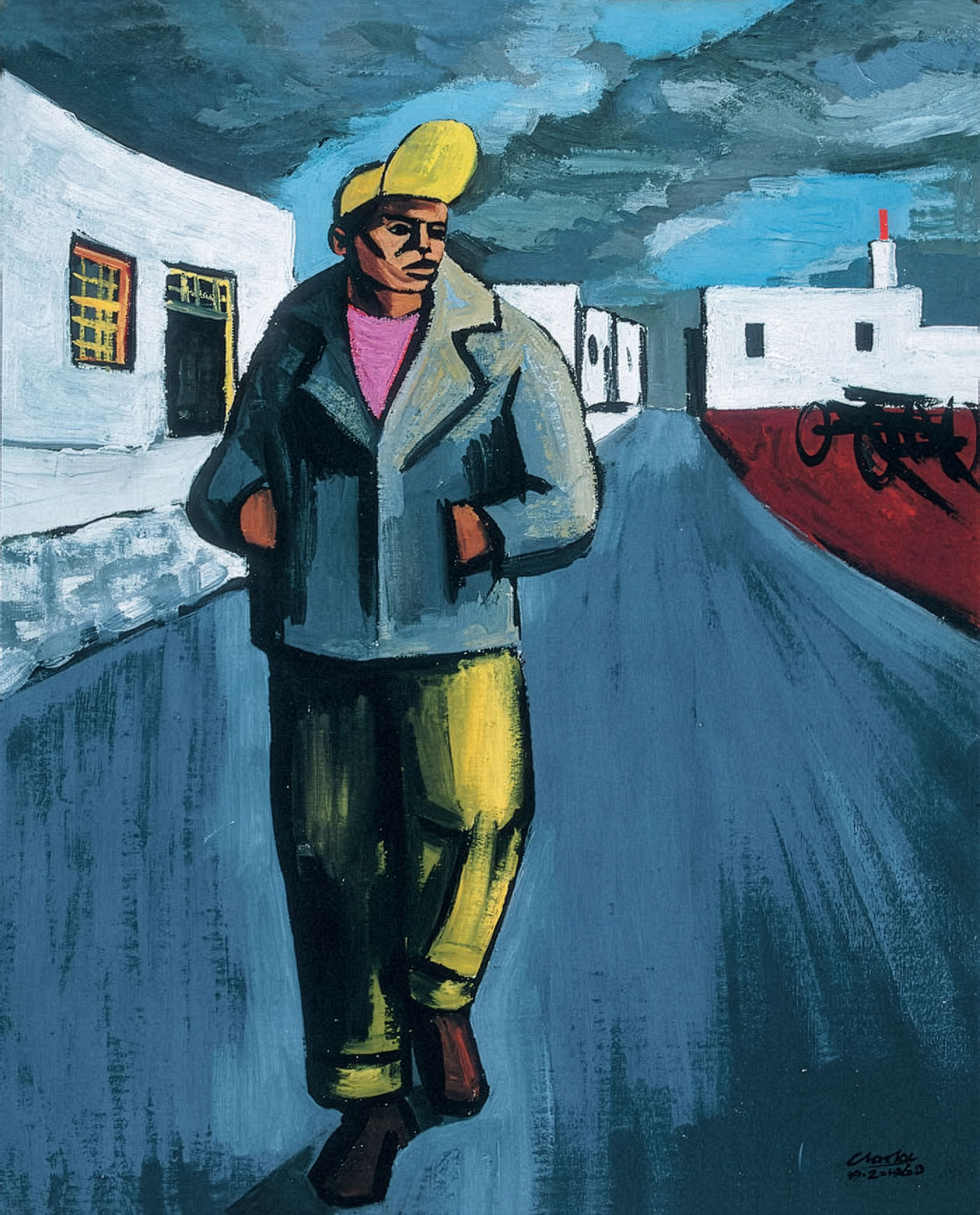
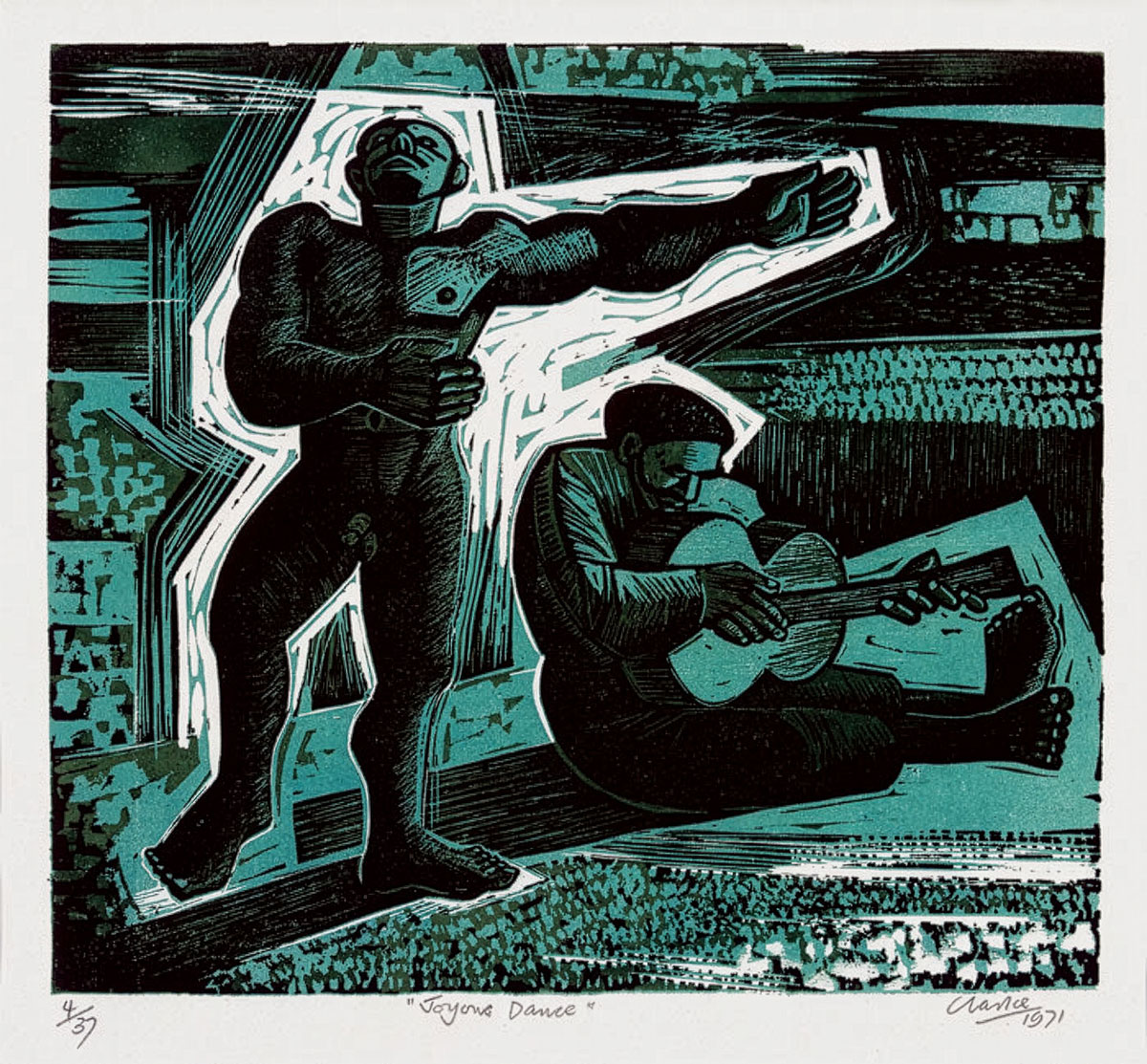
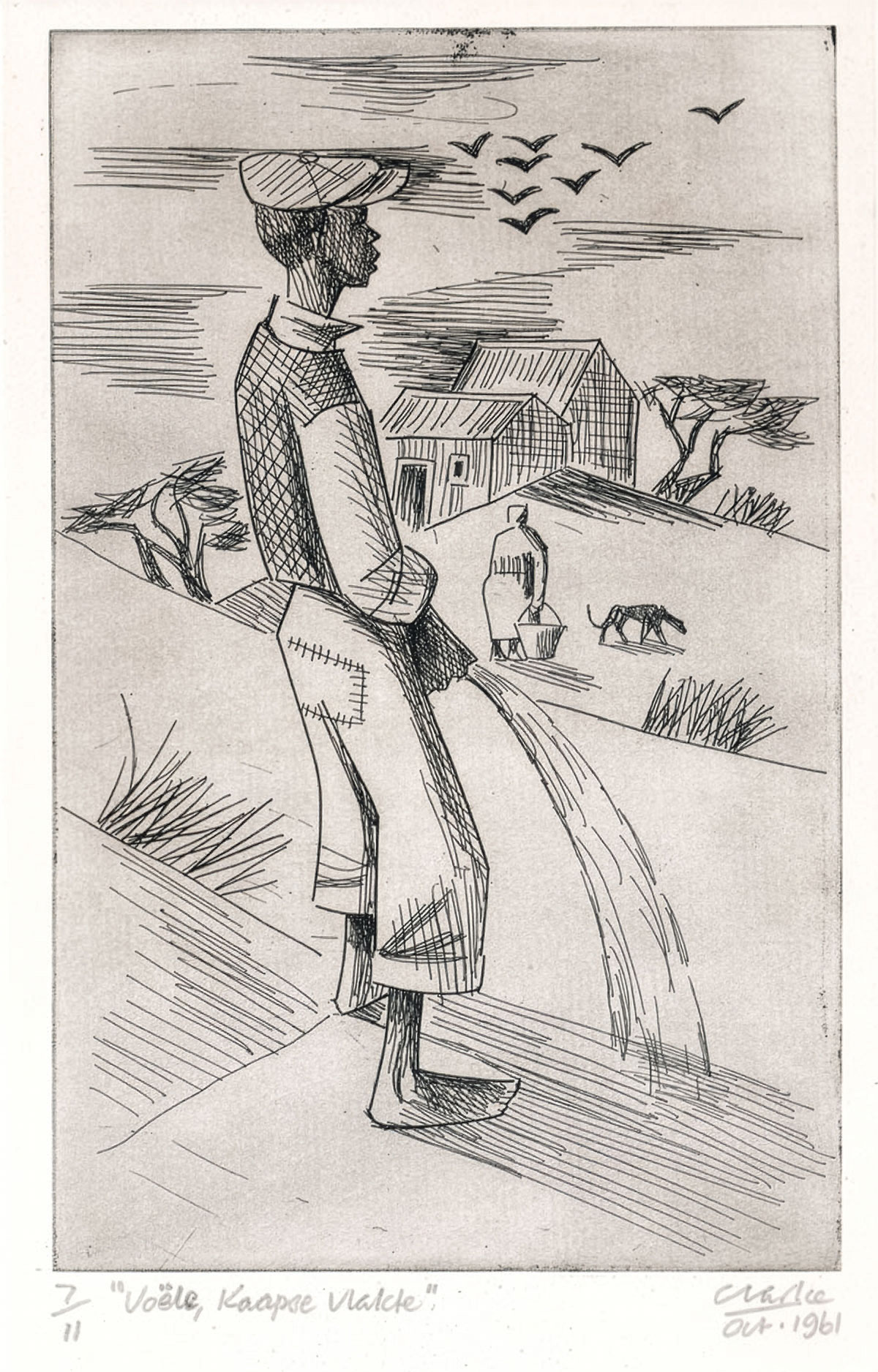
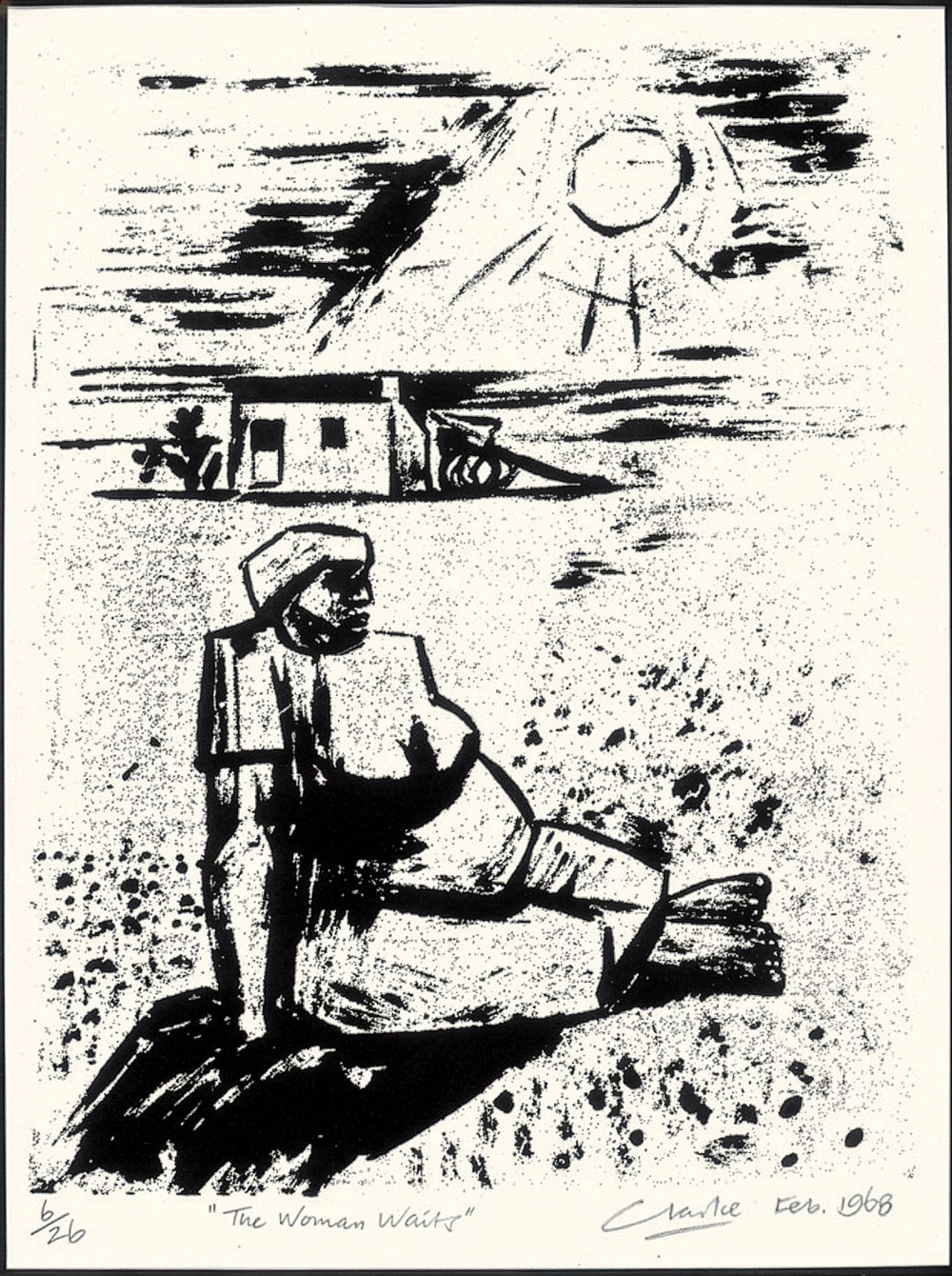
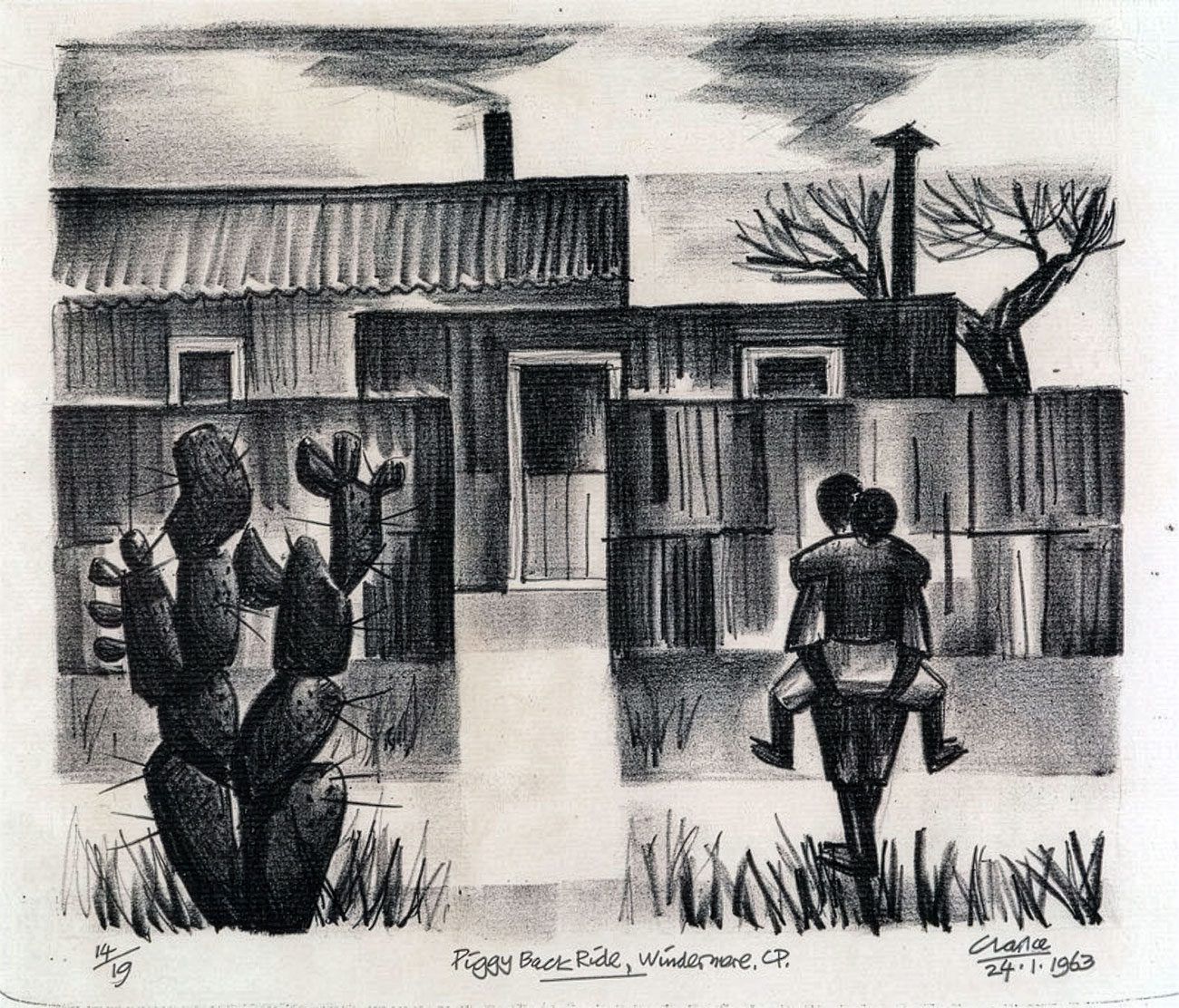
Clarke’s preoccupation with graphic media, such as linocut, lithography, drawing and etching were often combined with his gifts as a writer and poet. Best known as a graphic artist, he drew extensively on subjects within his community. Esme Berman observed that his response to these subjects was ‘not a political commentary, but rather an observant, witty and compassionate response’. Clarke’s reputation as a painter was not generally known, although an oil by him was acquired by the William Humphreys Art Gallery in Kimberley, and also more recently by the Johannesburg Art Gallery. A number of his paintings are also to be seen in the Campbell Smith Collection.

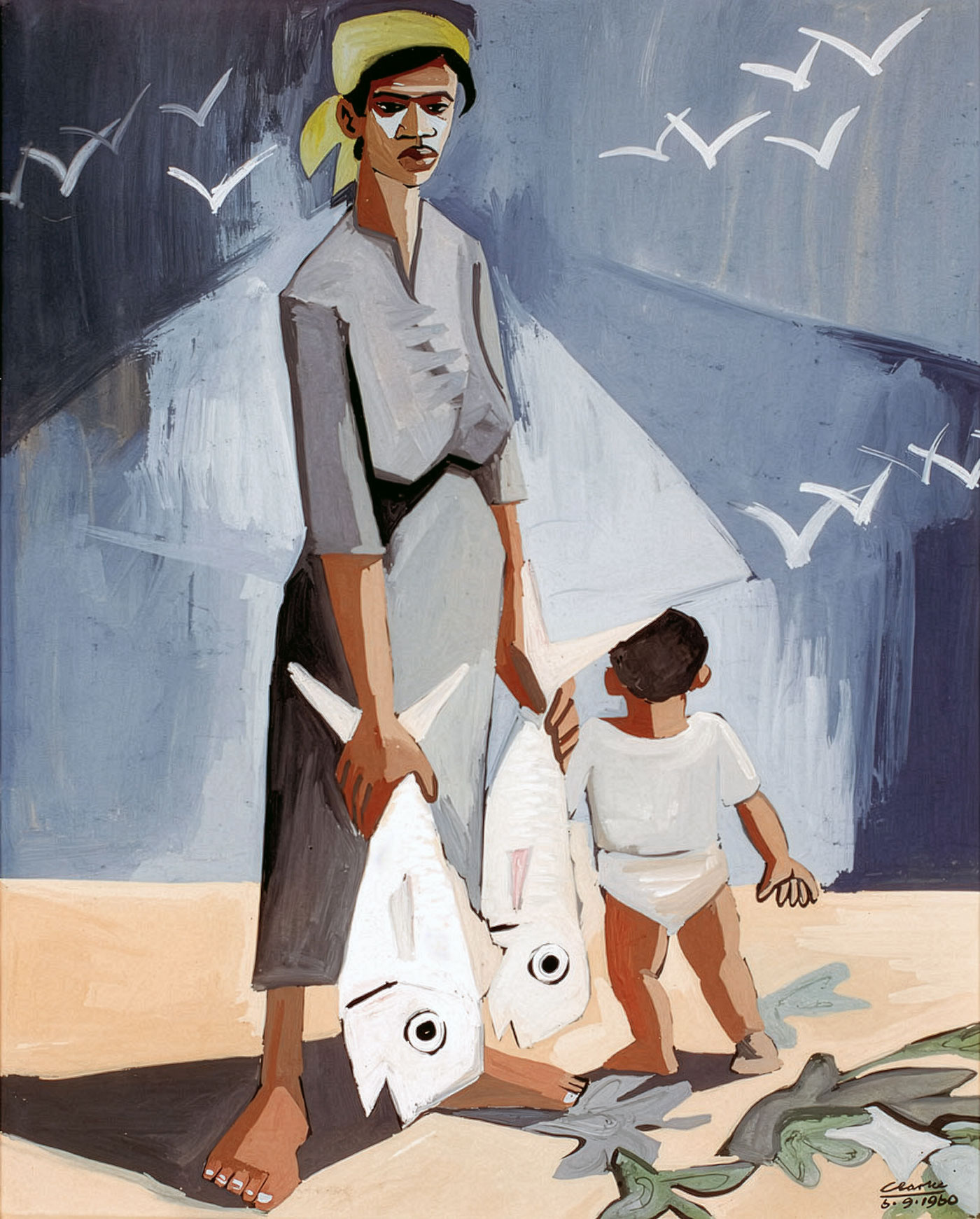
The medium of gouache, essentially a more opaque form of watercolour, is typically part of the armoury of the graphic artist. Used mainly on paper, it is water-based and dries quickly. For Clarke, therefore, it has been a useful compromise between the slow-drying nature of oil paint, and the more limited colour range and the more labour- intensive techniques of graphic media. Fisherwoman with child, a work of 1960, shows how Clarke uses gouache to block in simplified forms in broad planes of colour, and to render such elements as the seagulls as deft strokes of his brush. Essentially an essay in contrasting areas of light and dark, the sky is rendered in tones of light and dark blue, and given a simplified structure, a process which is extended to the basic forms of the woman and the child. All of the elements in this picture, including the kelp on the beach, make this a quintessential image of the Cape.

Hayden Proud